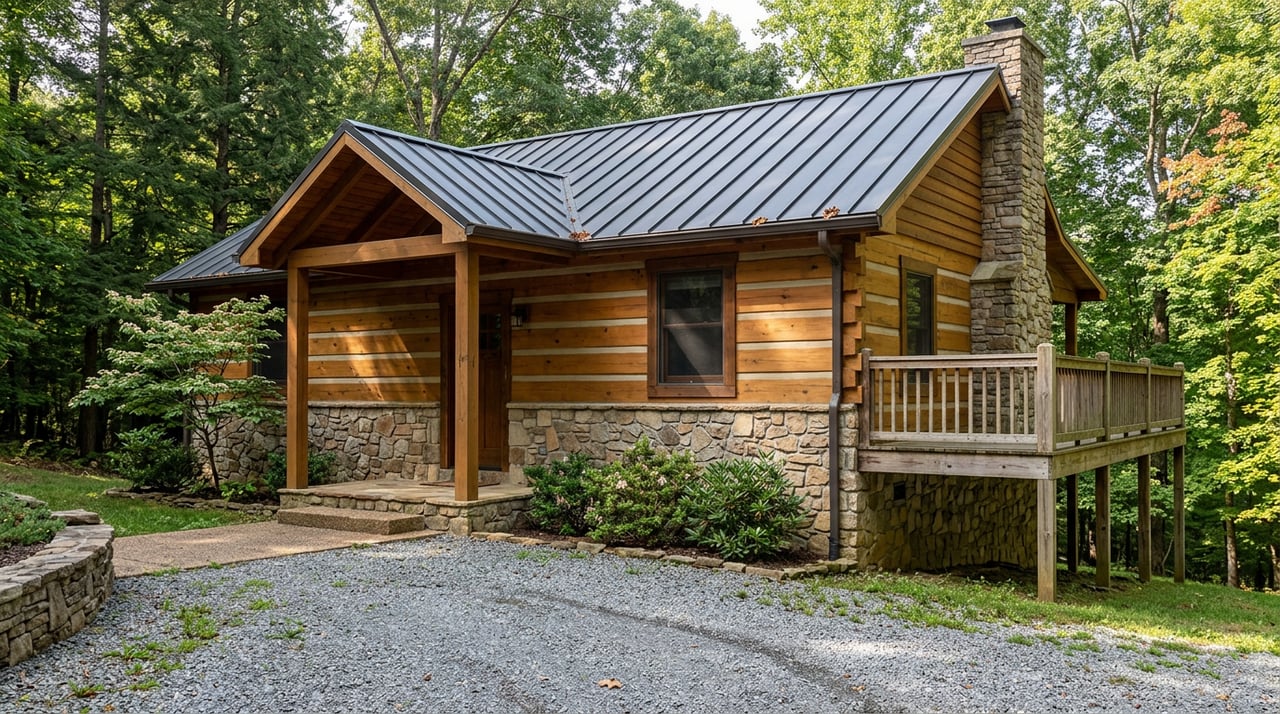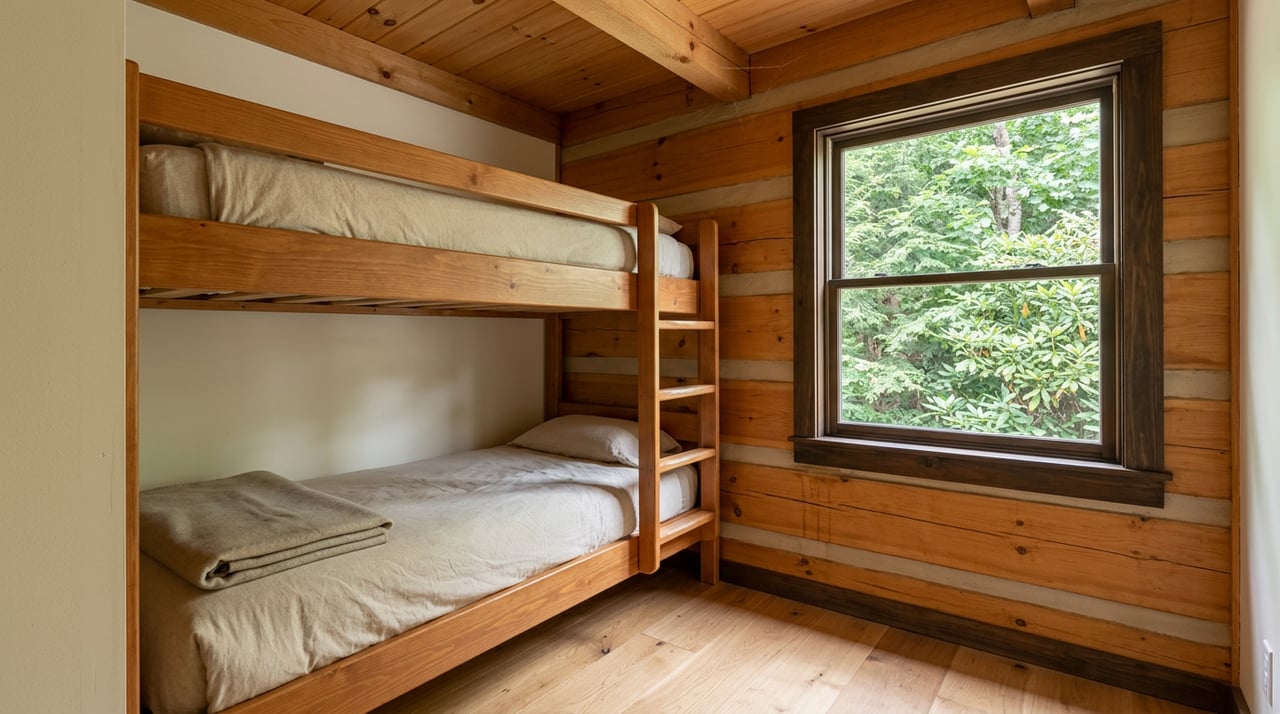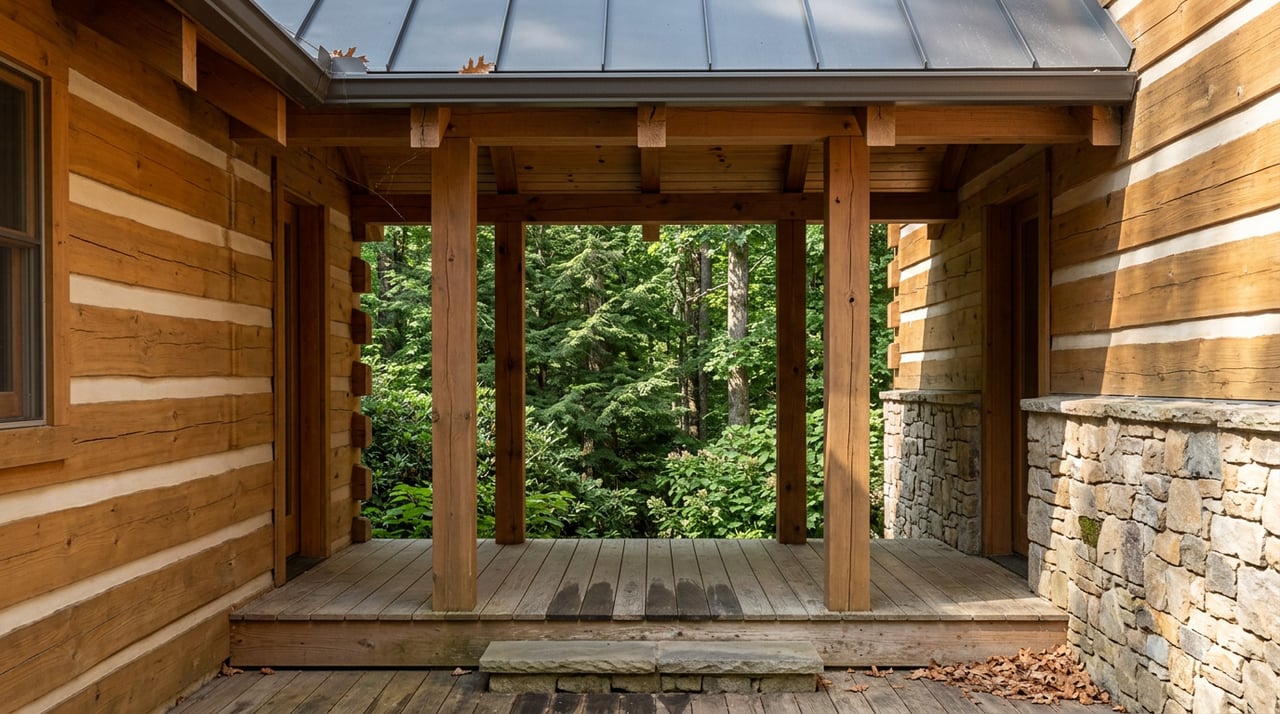
Dreaming of a Gatlinburg cabin but not sure what life looks like in July thunderstorms or a January snow? You want a place that feels like a retreat and performs well when you rent it. In this guide, you’ll learn how each season shapes daily life, maintenance, access, and short-term rental income so you can buy with confidence. Let’s dive in.
Spring: wildflowers and shoulder season
Spring in Gatlinburg runs March through May with mild days, cool nights, and frequent rain showers. Wildflowers bloom across Great Smoky Mountains National Park, and trails are quieter than summer. You can expect rising humidity as the season progresses and a calmer pace on weekdays.
If you plan to rent, spring guests often seek hiking, photography, and waterfalls. Provide clear guidance about muddy trails, stream crossings, and the chance of early-season wet or icy spots. Shoulder-season pricing and flexible minimum stays can attract bookings while you enjoy more owner time.
Maintenance focus in spring includes deep cleaning, mold and mildew checks after winter, HVAC cooling service, and gutter and roof inspections. Address pollen buildup and clean exterior decks. If you have septic, schedule servicing and keep records for buyers and guests who ask.
Summer: busy weeks and outdoor living
Summer brings warm to hot days, high humidity, and frequent afternoon or evening thunderstorms. Visitor traffic increases across Gatlinburg and nearby attractions. Outdoor spaces become the star of cabin life.
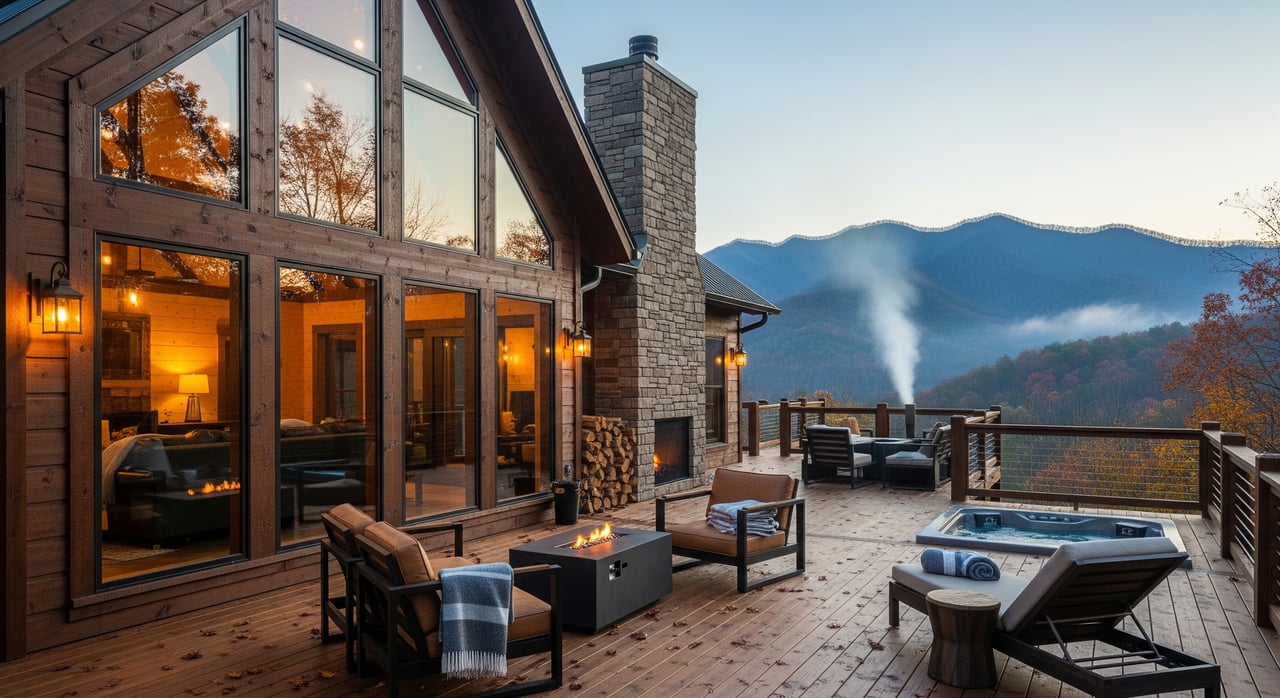
Guests prioritize strong air conditioning, reliable internet, ample parking, and outdoor amenities like decks, grills, and hot tubs. Concerns about bears and insects are common, so post clear bear-safety reminders and keep trash secure. Reliable Wi‑Fi is a top rental amenity, especially for remote workers and teens.
Prep your property with HVAC checks, pest control for ants and wasps, and deck sealing or maintenance. Improve trash plans and bear-proof storage to handle heavier summer use. If your driveway is steep or narrow, share parking and access instructions before arrival.
Fall: color season and peak rates
From September to mid November, temperatures cool, humidity drops, and skies often turn clear. Peak leaf color typically lands from mid October to early November, though timing varies by elevation and weather. Evenings feel cozy and mornings are crisp.
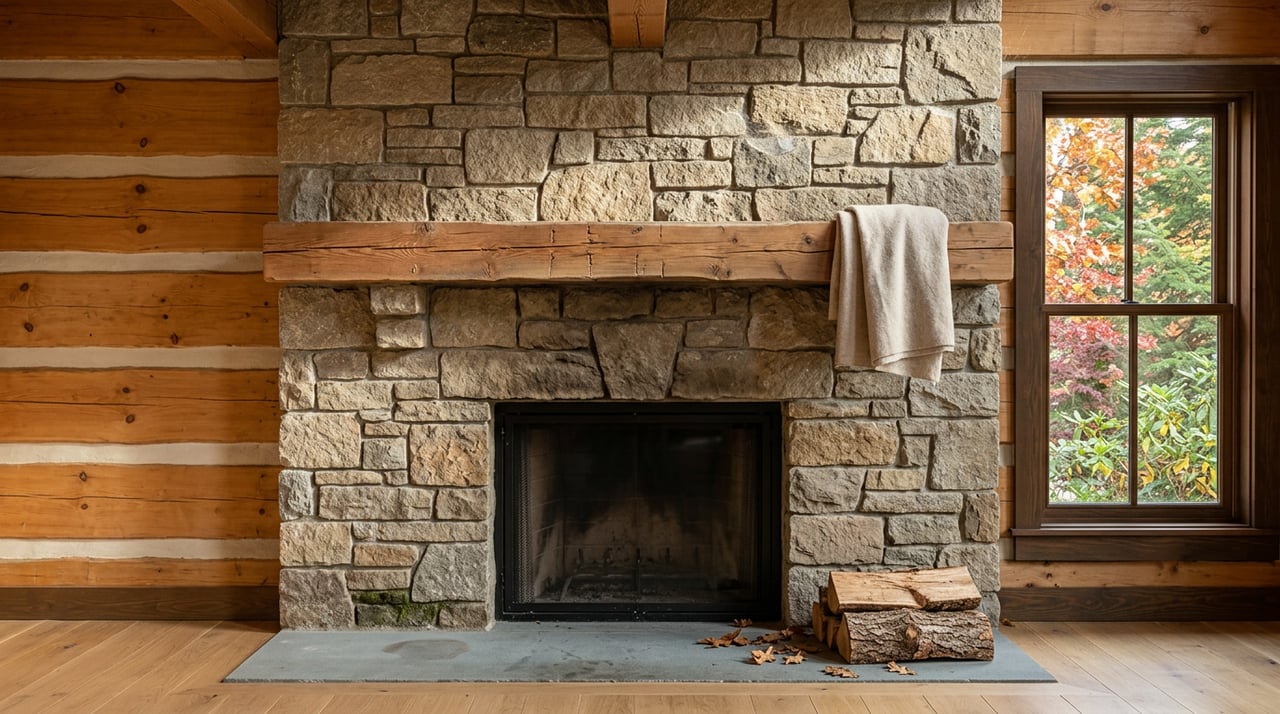
Fall is a major demand spike for Gatlinburg cabins. Many guests want fireplace use and romantic, cozy staging, so include safe operating instructions and schedule chimney inspections early. Encourage early bookings for prime weeks and share your top overlook drives and trails for color viewing.
Maintenance ahead of fall and early winter includes servicing furnaces, testing fireplaces, and clearing gutters of summer debris. Check roof flashing to prevent leaks when fall rains arrive. A tuned heating system helps you turn peak bookings into five-star stays.
Winter: holidays and snow prep
Late November through February is cooler to cold, with higher elevations seeing more snow and ice. Gatlinburg in the valley is usually milder, but winter weather does occur. Trails are quieter, holiday lights shine, and you can plan ski day trips to nearby resort areas like Ober Gatlinburg.
Holiday weeks from Thanksgiving through New Year are busy for rentals. Guests expect reliable heating, clear access instructions, and guidance for snow or ice. If you have a generator, make sure it is maintained and include instructions for power interruptions.
Winterize plumbing where needed with insulation or heat tape on exposed pipes. Clean chimneys, test smoke and CO detectors, and line up a snow and ice plan for your driveway. Keep gutters clear to avoid ice dams, especially on shaded roofs.
Access, utilities, and connectivity
Many cabins sit on steep or narrow roads with limited sight lines. Route planning and clear driving guidance help owners and guests feel confident, especially after dark or during weather events. McGhee Tyson Airport in Knoxville is the nearest commercial airport, and the drive to Gatlinburg typically takes 45 to 75 minutes depending on traffic.
Some properties have limited parking or steep driveways. Confirm municipal rules if you plan on-street parking. For rentals, set maximum vehicle counts and note any vehicle size limitations.
Water sources vary between municipal hookups and private wells. Many cabins use septic systems, so inspections and maintenance records are critical. Mountain storms can cause power outages, and many owners consider generators, especially if they host winter guests.
Internet and cell coverage vary across ridges and hollows. Some cabins have strong broadband while others rely on satellite options, including newer providers that serve rural areas. Always confirm coverage for your specific address, since reliable Wi‑Fi is a high-impact rental amenity.
Trash management matters in bear country. Some locations have municipal pickup, while others require private service. Educate guests about food and trash storage to reduce wildlife encounters and property damage.
Maintenance calendar for mountain cabins
A simple calendar keeps your systems ready and your rental reviews strong. Use this seasonal checklist as a starting point.
- Spring: Deep clean, check for mold or mildew, service A/C, inspect gutters and roof, clean and reseal decks, schedule septic service if needed.
- Summer: Tune A/C, add dehumidification if needed, set regular pest control, inspect decks and railings, increase trash pickups and bear-proofing.
- Fall: Service heating systems, inspect and clean chimneys, clear gutters, check roof flashing, stage for cozy stays, share fireplace safety.
- Winter: Winterize exposed plumbing, maintain generators, set snow and ice plans, test smoke and CO detectors, monitor for ice dams.
Short-term rental realities by season
Gatlinburg has multiple high seasons that drive strong occupancy. Summer family vacations, fall leaf weeks, and the winter holidays are peak periods. Spring is a steady shoulder season that appeals to hikers, photographers, and wedding travelers.
Weekends typically outperform weekdays, and multi-night minimums are common in peak windows. To smooth out slower months, many owners use midweek discounts or longer-stay offers. Properties with reliable access, strong utilities, and the right amenities often command higher occupancy and rates.
Revenue depends on size, amenities such as hot tubs and game rooms, views, and proximity to the park and attractions. For current average daily rates and occupancy, use tools like STR data providers or local managers and compare by bedroom count and neighborhood. Focus on year-round accessibility so you can capture peak demand in every season.
Management is a key decision. Professional managers handle cleaning, guest communication, marketing, and maintenance, which is helpful if you live out of market. Self-management can increase net income but requires strong local vendor support and fast response times.
Rules, taxes, and safety compliance
Plan for business registration and local permits if you intend to operate a short-term rental. You will also need to collect and remit Tennessee state sales tax and local lodging taxes. Tax rates and filing procedures change, so consult the Tennessee Department of Revenue and local offices or your CPA for the latest details.
Some neighborhoods and HOAs restrict short-term rentals, and zoning varies by area. Verify that your intended use is legal for your target property. Many rentals must meet building, fire, and health codes, including smoke and CO detectors and other safety requirements.
Short-term rentals typically require specialized insurance. Confirm coverage for guest injuries, property damage, and loss of income. Higher liability limits are common and worth exploring before you list your cabin.
Due diligence checklist for buyers
Use this checklist to evaluate a cabin’s livability and rental potential.
- Access and driveability: Visit during winter and a wet season. Confirm who maintains private roads and steep drives.
- Utilities and connectivity: Identify water source, review septic records, check broadband and cell coverage, confirm electrical capacity, and consider backup power.
- Structural and systems: Inspect roof, decks, foundation, HVAC, chimney, and wildlife entry points. Get estimates for any deferred maintenance.
- Insurance and liability: Obtain quotes tailored for vacation rentals and verify any exclusions.
- Local rules and taxes: Confirm short-term rental legality, licensing and posting requirements, occupancy taxes, and any HOA rules.
- Market comps: Use current local STR data and managers to benchmark ADR, occupancy, and seasonality for your cabin size and location.
- Maintenance logistics: Line up local cleaners, handymen, HVAC, septic, and snow and ice services before your first booking.
Plan your visits and next steps
If you are early in the process, schedule two scouting trips at different times of year. See how the driveway feels in a rainstorm, how quiet the evenings are in fall, and what internet speeds actually deliver. Walk the property with local inspectors and get firm numbers on utilities, snow plans, and ongoing maintenance.
When you are ready to focus, define your must-haves by season. For example, prioritize a well-plowed route and backup heat for winter or a large shaded deck and reliable cooling for summer. Match your amenity set and access to the demand peaks you want to capture.
Ready to explore listings or get local comps? Reach out to Deanna Dellinger for hands-on guidance, seasonal insights, and investor-focused support across Gatlinburg, Pigeon Forge, and Sevierville. Together, you can target cabins that fit your lifestyle and rental goals.
FAQs
How does Gatlinburg’s seasonality affect a cabin’s rental income?
- Expect multiple peaks in summer, fall foliage weeks, and winter holidays, with steady shoulder demand in spring; strong access and reliable utilities help you capture the best rates.
What winter access issues should Gatlinburg cabin buyers anticipate?
- Snow and ice can occur, especially at higher elevations, so plan for clear access instructions, private plowing if needed, and consider backup power for outages.
Which utilities and services should I verify before buying a Gatlinburg cabin?
- Confirm water source, septic condition and records, internet coverage, electrical capacity, and trash service plans that account for bear activity.
Do I need a local property manager if I live out of state?
- A local manager is strongly recommended for guest turnover, maintenance, and emergencies, though fees reduce net income compared with self-management.
What permits and taxes apply to short-term rentals in Gatlinburg?
- You typically need local business registration and must collect and remit state sales tax and local lodging taxes; verify current rules with local authorities or a CPA.
How reliable is internet service in Gatlinburg cabins for remote work?
- Coverage varies by ridge and hollow, so test at the address; some areas have broadband while others rely on satellite, and reliable Wi‑Fi is a top rental amenity.