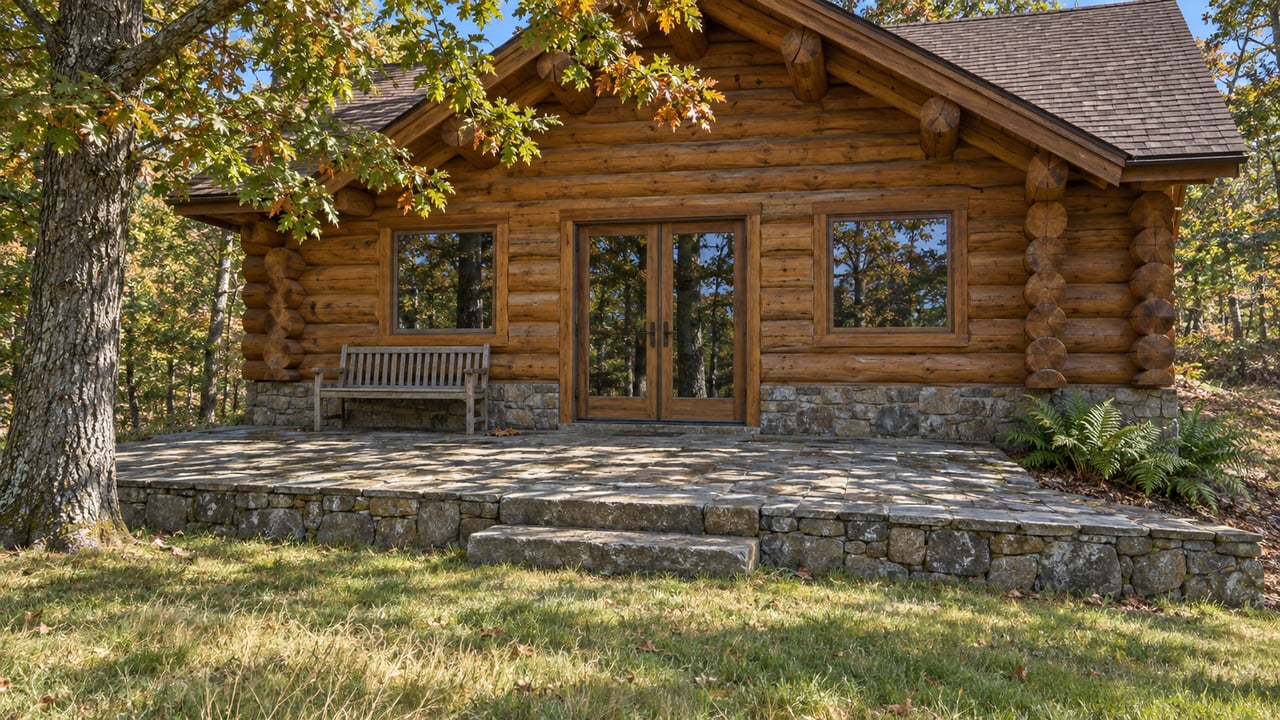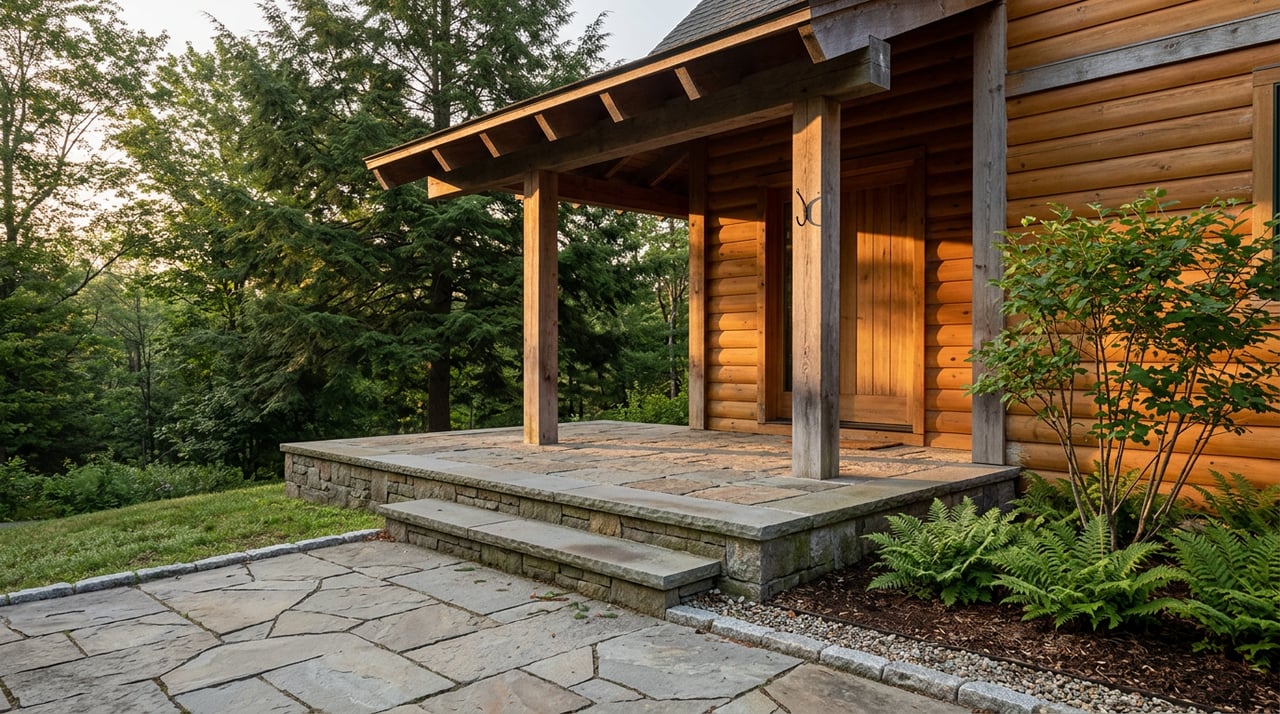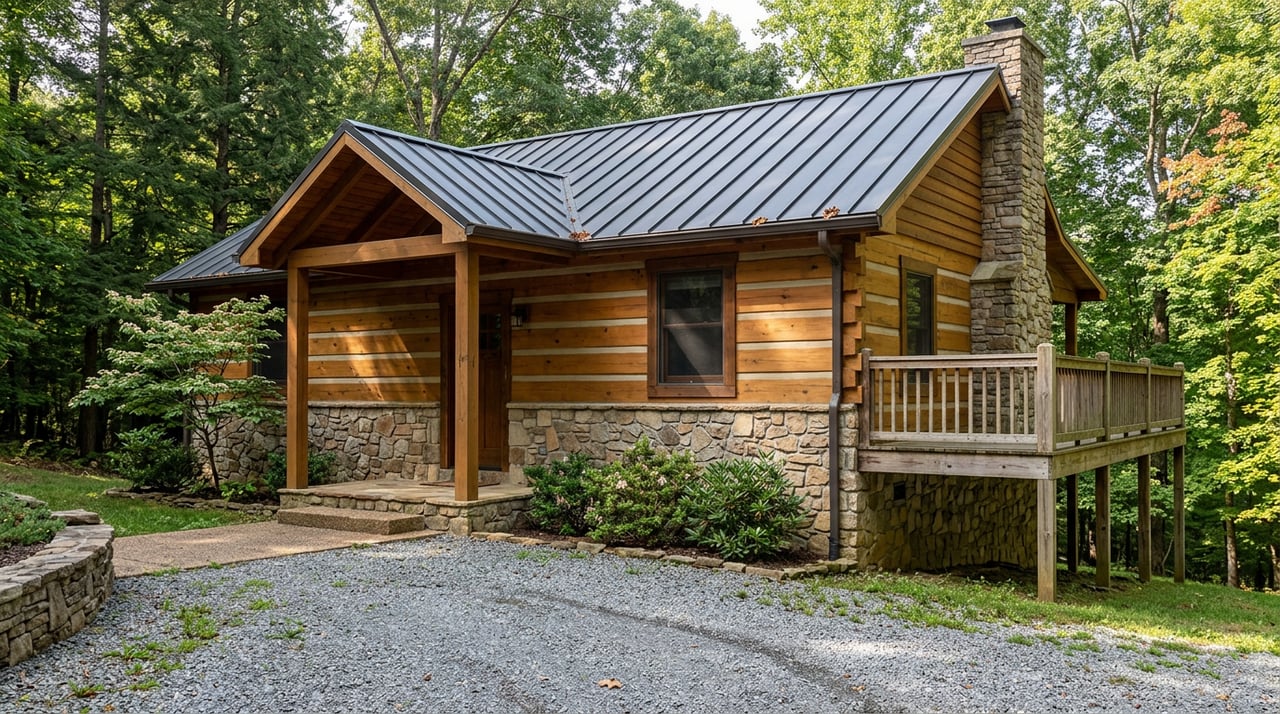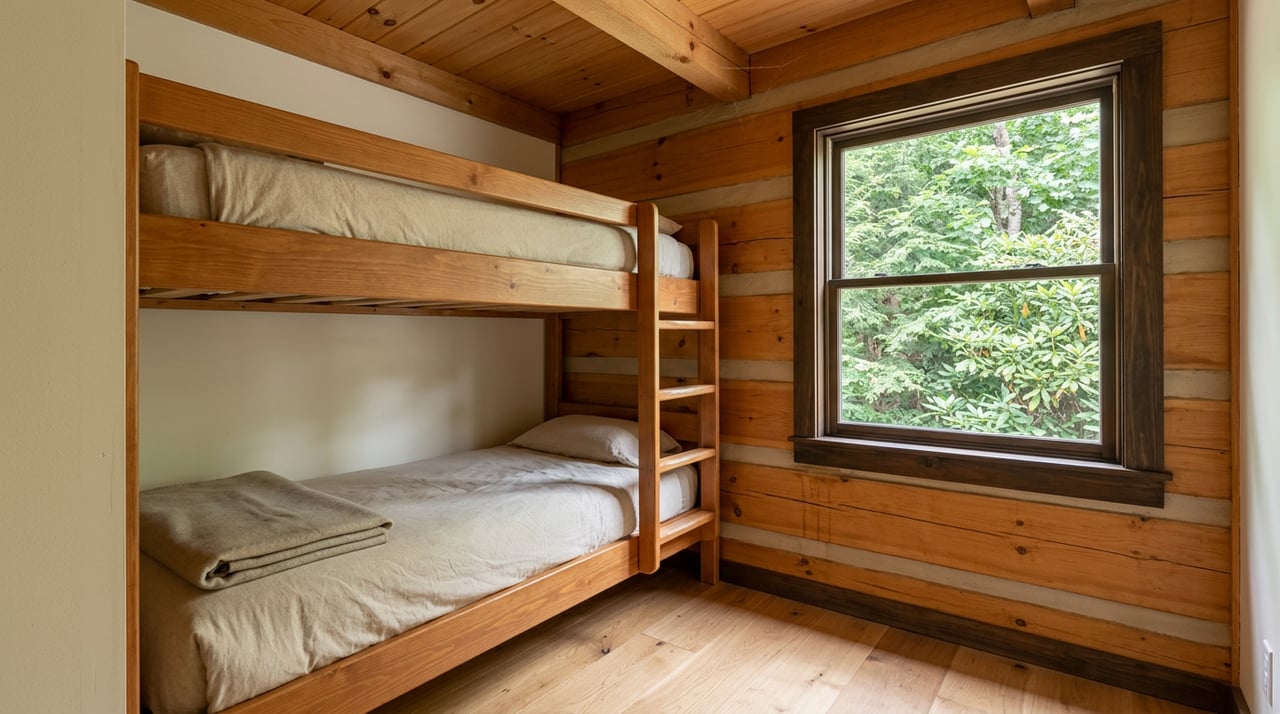
Trying to decide whether to sell your Gatlinburg rental cabin or keep it a little longer? You are not alone. Many owners are weighing a softer resale market against a still-active vacation rental market, and that can make the decision feel less than clear. The good news is that when you look at local pricing, rental performance, permits, and taxes together, the path usually becomes much easier to see. Let’s dive in.
Gatlinburg Owners Face Two Markets
If you own a cabin in Gatlinburg, you are balancing two very different realities at the same time. On one side, home values have softened. On the other, the tourism engine that supports short-term rentals is still very real.
Gatlinburg is a small city with about 3,700 permanent residents, but it welcomes millions of visitors each year. Great Smoky Mountains National Park recorded 11,527,939 recreation visits in 2025, and the park remains open year-round without an entrance fee. That steady stream of visitors is a big reason many cabins can still generate rental income even when resale prices are under pressure.
Recent pricing data points to a cooler sales market. Redfin reported a March 2026 median sale price of $485,000 in Gatlinburg, down 7.3% from a year earlier, with homes taking about 41 days to sell. Zillow also showed a year-over-year decline, with an April 30, 2026 average home value of $409,572 and properties pending in about 45 days.
At the same time, the local short-term rental market remains large and active. AirDNA tracks 6,814 Gatlinburg listings and estimates average annual revenue at $47.9K, occupancy at 53%, average daily rate at $347.10, and RevPAR at $184.40. Active listings are also up 8% over the past year, which means demand is still present, but competition is growing too.
When Selling May Make Sense
Selling can be the right move if your cabin no longer delivers the net return you want. Gross revenue may still look decent on paper, but the real question is what is left after taxes, fees, repairs, supplies, utilities, insurance, management, and reserves.
A sale may also make sense if your property needs meaningful updates to stay competitive. In a market with more active listings, cabins that need work or fall behind current guest expectations can be harder to keep booked at strong rates. If the cost to improve the property is high, selling now may protect more of your equity.
You may also want to sell if compliance has become too burdensome. Local permit rules, inspections, occupancy limits, code requirements, and waste-container rules are not minor details. They directly affect your time, your costs, and your ability to operate legally.
For some owners, the decision is personal as much as financial. If you are using the property less, tired of the management demands, or shifting your investment goals, selling can simplify your next chapter.
When Keeping May Make Sense
Keeping the cabin may be the better choice if the property still produces strong after-expense cash flow and fits your long-term plans. A softer resale market does not always mean you should exit, especially in a destination market supported by year-round visitor traffic.
If your cabin is well-located, legally permitted, properly sized for its guest count, and in good condition, it may continue to perform well as a short-term rental. The visitor base tied to Gatlinburg and the national park is a major advantage. Even when values dip, rental demand can still help support ownership.
Holding can also make sense if you believe your cabin’s income potential is stronger than what the resale market would currently pay you for it. In that case, keeping the property may preserve both lifestyle value and investment upside.
This is especially true for owners who still enjoy personal use. If your cabin supports family time in the Smokies and also produces dependable rental income, the value of keeping it may be more than just a spreadsheet number.
What Keeping a Cabin Requires
Before you decide to hold, it helps to be honest about what ownership really involves. In Gatlinburg, a short-term rental is not simply a property you list online and forget about.
If your cabin is inside Gatlinburg city limits, overnight rental use requires a Tourist Residency Permit and the property must be properly zoned. The city’s application requires owner details, rental address and name, bedroom and story counts, maximum occupancy, square footage, and rental agent contact information. The fee is $200 for a unit with two or fewer bedrooms, plus $75 for each additional bedroom.
Those fees help cover fire and building inspections, which means compliance is part of the cost of doing business. Gatlinburg also operates under the 2018 International Building and Fire Codes for applicable applications and plans submitted after May 4, 2021. If your cabin needs updates to meet current expectations or code requirements, that should be part of your hold analysis.
The city also expanded its animal-resistant container zone in late 2024 to include properties with a Tourist Residency Permit, with compliance required by June 30, 2025. That may sound small, but it is another example of how operating costs can add up. Wildlife management and waste handling are practical issues in a mountain market.
If your property is outside Gatlinburg city limits in unincorporated Sevier County, the county short-term rental unit permit program applies instead. The county requires a permit for overnight rentals, charges $250 for occupancy of 12 or fewer plus $25 per occupant above that, and the permit is valid for 12 months. Operating without a permit can trigger a $50-per-day penalty.
Taxes Can Change the Answer
Taxes are one of the biggest reasons a cabin that looks profitable at first glance may feel less rewarding in real life. If you are trying to choose between selling and keeping, this part matters.
Tennessee says vacation lodging rented for fewer than 90 consecutive days is subject to sales tax. The state sales tax rate is 7%, and local sales and use tax rates can add up to 2.75%. Depending on how your rental is booked, the owner, property manager, or marketplace facilitator must collect and remit those taxes.
Occupancy tax is separate from sales tax. Gatlinburg’s hotel and motel tax return shows a 3% hotel and motel tax on gross rental proceeds, due by the 20th day of the following month. If you have only been looking at top-line revenue, these tax layers may explain why your net income feels thinner than expected.
Use tax can also matter when you furnish or supply the cabin. If you buy items from an out-of-state seller that does not charge Tennessee sales tax, Tennessee says use tax may still apply. That can affect everything from furniture and decor to replacement items and operating supplies.
Selling brings tax questions too. The IRS says rental-property gain or loss is generally reported on Form 4797 or Form 8949 depending on the activity, and depreciation can reduce your basis and increase taxable gain when you sell. If your cabin has mixed personal and rental use, yearly expenses must be allocated between those uses, which can affect both your holding analysis and your sale planning.
The Numbers That Matter Most
The best sell-or-keep decision usually comes down to net proceeds versus net hold income. In other words, what would you actually walk away with if you sold today, and what would you really keep each year if you held the cabin?
A useful comparison should include:
- Estimated sale price based on recent local comps
- Mortgage payoff, closing costs, and commissions
- Current permit status and occupancy limits
- Expected annual rental income based on realistic performance
- Taxes, permit fees, insurance, utilities, cleaning, management, and reserves
- Needed repairs, upgrades, or code-related improvements
- Flood, waste-handling, or site-specific issues that affect value or operations
That last point matters more than many owners think. Gatlinburg’s flood-information resources direct owners to flood-zone and base-flood-elevation tools, and those conditions can affect both ownership cost and buyer demand. A cabin’s physical setting is part of its financial story.
Why a Local Analysis Matters
A generic online estimate is not enough for this kind of decision. A Gatlinburg cabin should be evaluated through more than one lens.
You need a realistic resale value based on recent comps. You also need an income-based look at what the property can produce as a short-term rental in its current condition, with its actual permit status, legal occupancy, and compliance needs.
That is where local knowledge makes a difference. In a market like Gatlinburg, two cabins with similar square footage can perform very differently based on zoning, occupancy, access, upkeep, and how well they match current guest expectations.
A strong local analysis should help you answer questions like these:
- What are your likely net sale proceeds right now?
- What is your likely net annual hold income after real operating costs?
- Is the cabin legal at the guest count being marketed?
- Would improvements add enough value to justify the cost?
- Are there code, flood, or wildlife-related issues that affect the decision?
- Do tax rules around depreciation or mixed use matter in your case?
A Simple Way to Decide
If your cabin’s after-tax, after-compliance, after-expense cash flow is still strong, keeping it may be the right move. If net income is tightening, competition is rising, and the property needs meaningful updates or ongoing effort you no longer want to give, selling may be the smarter path.
The key is not to guess. You want to compare today’s likely net sale proceeds with a realistic hold scenario built around the actual facts of your property. That is how you make a calm, confident choice instead of reacting to headlines or rough estimates.
If you are weighing whether to sell or keep your Gatlinburg rental cabin, Deanna Dellinger can help you look at the local resale picture, the property’s rental positioning, and the practical factors that shape value in Sevier County.
FAQs
Should you sell or keep a Gatlinburg rental cabin in a softer market?
- It depends on whether your cabin’s net hold income still justifies keeping it when compared with today’s likely net sale proceeds in a softer resale market.
What permits are required for a Gatlinburg short-term rental cabin?
- Inside Gatlinburg city limits, overnight rental use requires a Tourist Residency Permit and proper zoning; in unincorporated Sevier County, the county short-term rental unit permit program applies.
What taxes apply to a Gatlinburg vacation rental cabin?
- Tennessee says short-term rentals of fewer than 90 consecutive days are subject to sales tax, and Gatlinburg also applies a 3% hotel and motel tax on gross rental proceeds.
Does guest occupancy matter when keeping a Sevier County rental cabin?
- Yes, because permit fees, legal use, and marketing should match the property’s allowed occupancy, and owners should verify the certificate of occupancy before changing occupancy.
Why is a local valuation important for a Gatlinburg cabin?
- A local valuation can compare resale comps, rental income potential, permit status, occupancy limits, and property-specific issues like upgrades, flood concerns, or compliance costs.