Picture yourself waking up to misty ridgelines, grabbing coffee in a small but lively downtown, and being on a Smokies trail before lunch. If you’re weighing a move to Sevierville, you’re probably after that balance: everyday convenience with quick access to big-mountain views. In this guide, you’ll get a clear look at housing options, daily life, commutes, schools, health care, safety context, and short‑term rental basics so you can decide if Sevierville fits your plans. Let’s dive in.
Where Sevierville fits in Tennessee
Sevierville is a growing city of about 18,200 residents as of mid‑2024, up from 17,889 in 2020, with a local economy closely tied to hospitality and tourism. You’ll find a wide mix of homes, from in‑town houses to mountain cabins. According to federal snapshots, the median household income is around $52,400, the median value of owner‑occupied homes is about $289,600, and the median gross rent is roughly $1,081. The average commute time sits near 24 minutes. These are helpful baselines when you compare affordability and lifestyle tradeoffs. You can explore the latest city‑level figures on Census QuickFacts for Sevierville.
Tourism drives a large share of local business activity, which shows up in accommodation and food‑service receipts. For you, that means robust dining and entertainment choices and a local job market where hospitality has a strong presence.
Housing and market snapshot
Sevierville’s housing stock spans a wide range of price points and property types. You’ll see:
- Older homes and cottages near the historic downtown grid.
- Newer single‑family subdivisions near retail corridors and schools.
- Semi‑rural properties with larger lots on the outskirts.
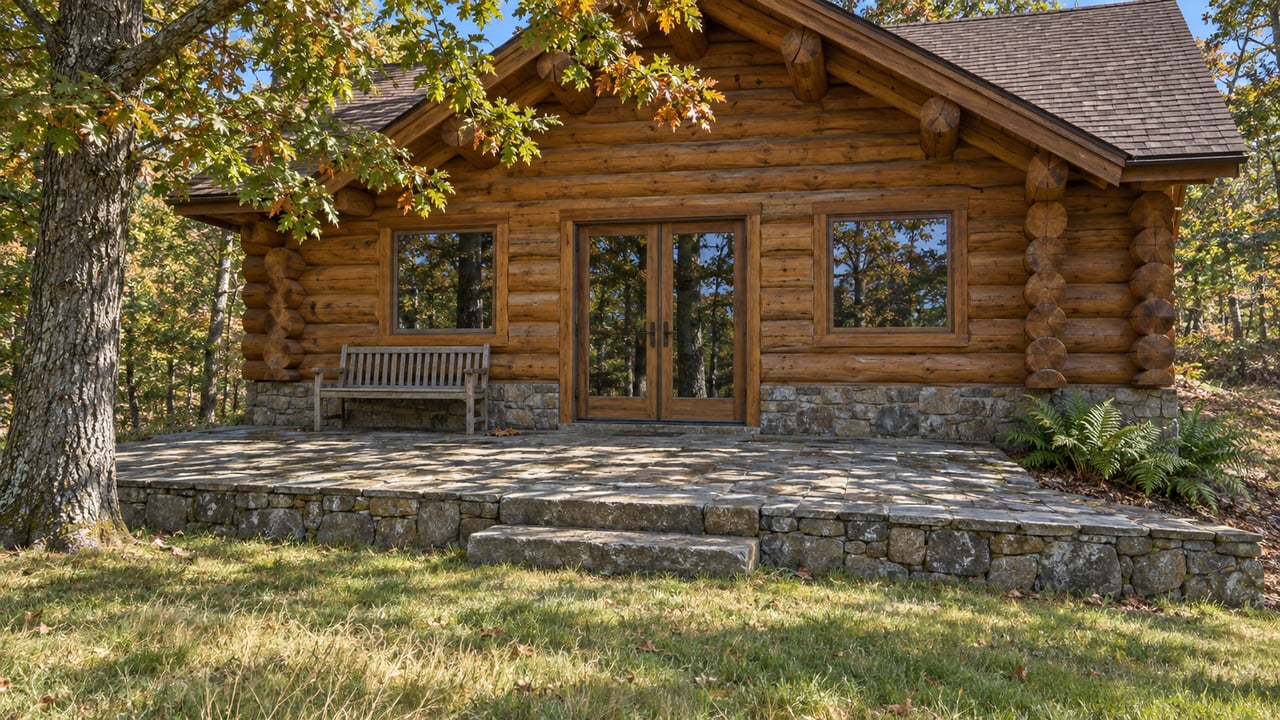
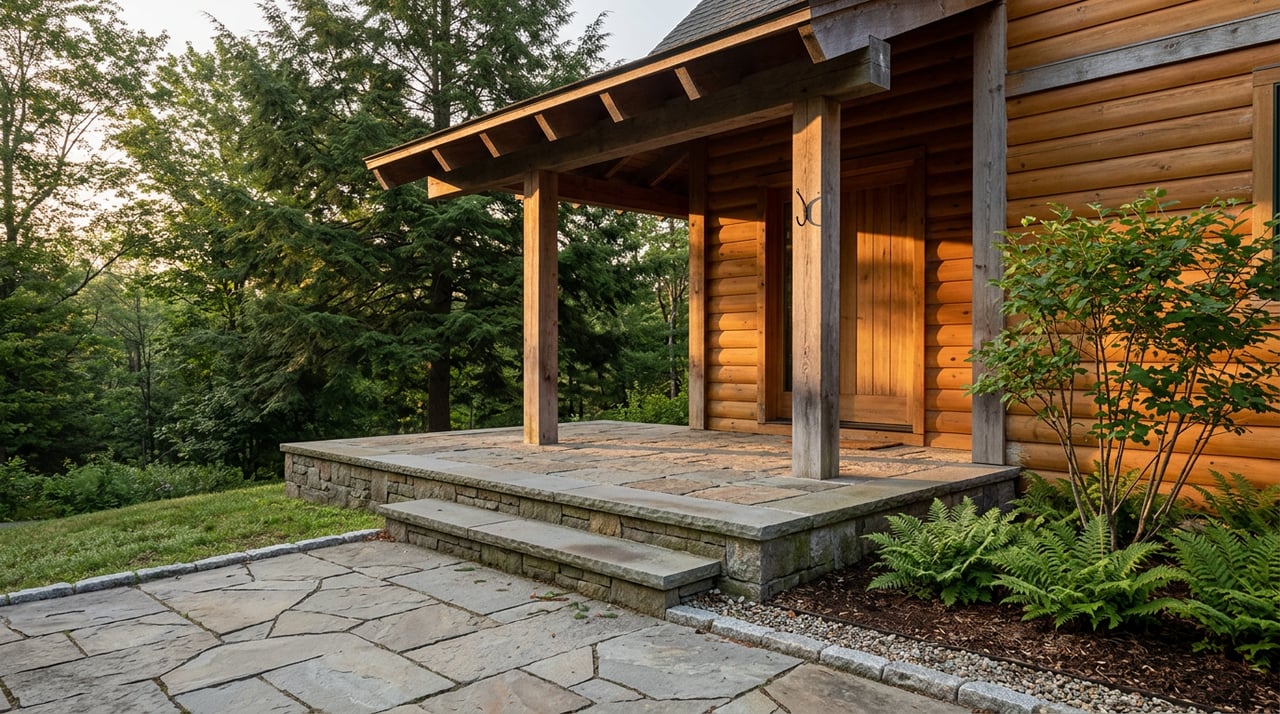
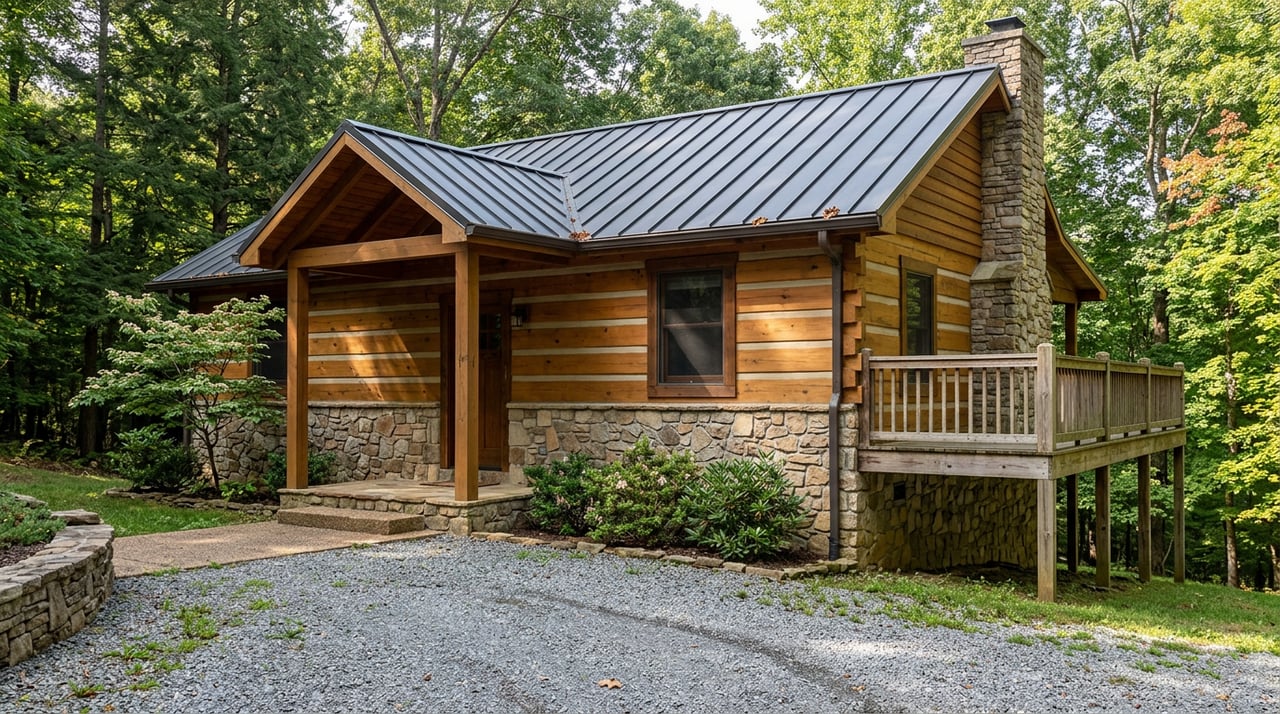
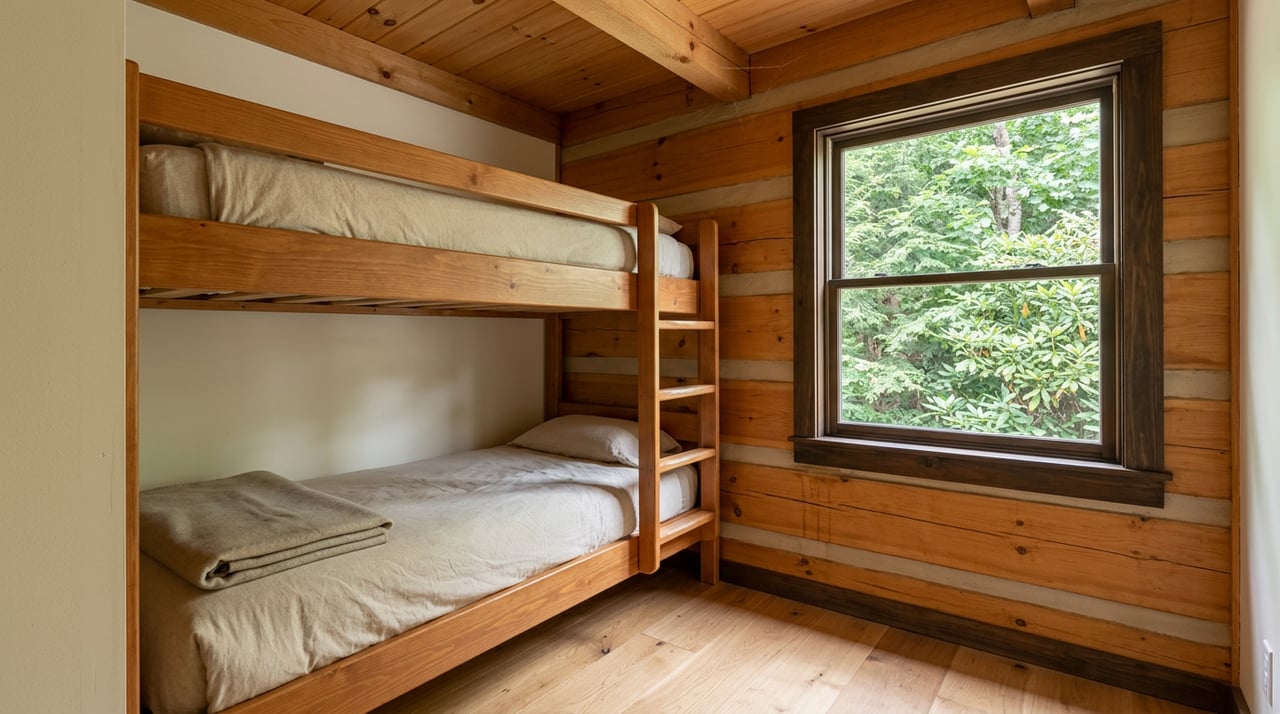
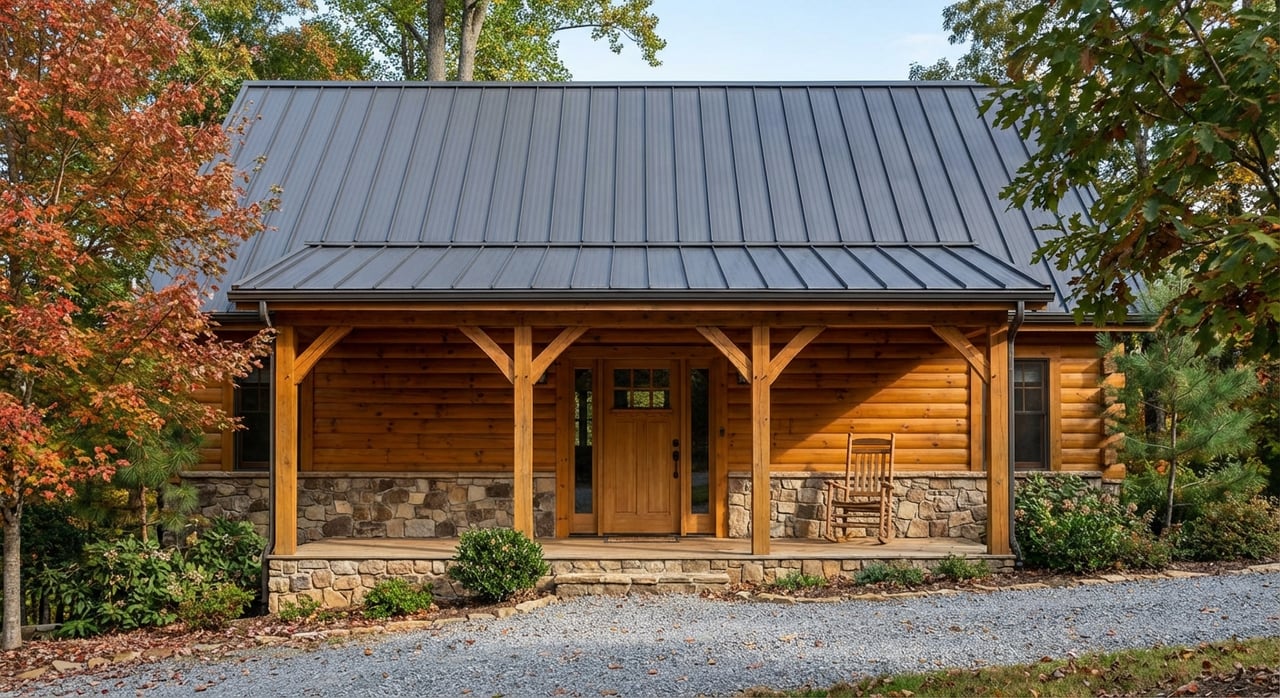
- Mountain cabins and condos that serve as second homes or short‑term rentals.
Market indexes showed recent transaction medians in the mid‑$300Ks, alongside a broader value index in the low‑$400Ks. These snapshots fluctuate by month and by product type, so expect street‑level variation. If you’re aiming for an owner‑occupied home, entry points can be relatively approachable compared with many large metros. If you’re eyeing a cabin or view‑oriented property, expect pricing to climb with scenery, size, and rental potential.
For renters, advertised asking rents trend in the lower‑to‑mid $1,000s across typical apartments and homes, with seasonal and product differences. Keep in mind that vacation‑rental rates do not reflect long‑term rent levels.
Neighborhoods and lifestyles
Historic Downtown
Downtown Sevierville centers on Main Street and Dolly Parton Parkway. You’ll find a compact, small‑town grid with civic spaces, local shops, and access to riverside paths. The feel is walkable by regional standards, and living here often means shorter drives to daily errands.
Suburban corridors
Newer subdivisions cluster around Winfield Dunn Parkway and Forks‑of‑the‑River Parkway, near big‑box retail and grocery options. If you want suburban convenience, attached garages, and quick access to shopping, this corridor is a practical fit.
Semi‑rural foothills
Areas toward Boyd’s Creek, Kodak, and Wears Valley offer a more open, semi‑rural setting with larger lots and new construction. Buyers who prioritize space, privacy, and the possibility of mountain or valley views often look here, with a tradeoff of longer drives into town or toward Knoxville.
Mountain cabins and second homes
Closer to Pigeon Forge, Gatlinburg, and the park, you’ll find ridge and valley roads dotted with cabins, chalets, and condos. Many operate as vacation rentals or part‑time residences. These properties can require extra diligence on access, insurance, utilities, and maintenance because of terrain and seasonality.
Everyday amenities
Parks and greenways
Sevierville maintains a connected greenway system for daily walks, jogs, and dog‑friendly outings. Local favorites include the Memorial River Trail and Burchfiel Grove & Arboretum. You can preview routes and programs through the city’s greenways, trails, and beautification page.
Shopping and dining
The Parkway corridors concentrate grocery stores, national retailers, and restaurants, including the outlet district. For a broad mix of brand‑name shopping, explore Tanger Outlets Sevierville. You’ll also find independent eateries and coffee spots scattered from downtown to the suburban nodes.
Local attractions and weekends
Sevierville and its neighbors host a long list of family‑friendly attractions, seasonal events, and outdoor adventure options. For many residents, the same entertainment that draws visitors becomes your weekend playground.
Getting around
Sevierville sits roughly 29 miles from downtown Knoxville, typically a 30 to 45‑minute drive depending on time of day and season. For reference, check the Sevierville to Knoxville drive distance. McGhee Tyson Airport (TYS) is on the south side of Knoxville and usually about 45 to 60 minutes away.
If the Smokies are your happy place, you’re about 13 miles and roughly 25 to 30 minutes from Gatlinburg via the Parkway under normal conditions. Get a sense of the route with this Sevierville to Gatlinburg overview. During peak tourist seasons like summer, fall colors, and holiday periods, plan for longer travel times.
Schools and services
K‑12 schools
Public schools in Sevierville are part of the Sevier County School System, which lists schools and programs by level. Because school zones and program offerings can change, confirm details directly with the district. Start with the Sevier County School System for current contacts and links.
Health care
LeConte Medical Center, part of Covenant Health, anchors local hospital and emergency services in Sevier County. The campus includes emergency care, diagnostic services, a birthing unit and specialty clinics. For most routine and urgent needs, it is the nearest resource, with Knoxville hospitals serving as tertiary referrals when needed. Learn more at Covenant Health — LeConte Medical Center.
Safety snapshot
Like many small cities with busy visitor corridors, Sevierville’s reported property‑crime rates can run above national averages, with larceny and theft comprising a large share. Violent‑crime indicators vary by category and neighborhood. Tourist and retail areas along the Parkway can influence citywide metrics. For a data‑oriented view, review interactive summaries on CrimeExplorer’s Sevierville page. As you evaluate a specific address, check block‑level maps, visit at different times, and speak with neighbors or local officers to understand real‑world patterns.
Short‑term rentals 101
Short‑term rentals are a major part of Sevier County’s housing landscape because of proximity to Dollywood, Pigeon Forge, Gatlinburg, and Great Smoky Mountains National Park. If you plan to buy with rental goals, take time to understand the rules before you write an offer.
- Inside Sevierville city limits, STRs require an annual operational permit, a life‑safety inspection, and renewal each year. Start with the city’s Short‑Term Rental permit page.
- In unincorporated Sevier County, a separate permit and inspection program applies. Fees and processes can change, so verify current requirements with the relevant office.
- Assessment and tax treatment can differ for properties used primarily as vacation rentals. Ask the title company or county offices how your intended use may affect tax classification and insurance.
Practical tip: Budget for life‑safety upgrades, permit fees, and seasonality in occupancy. Have your agent confirm zoning, utilities, access roads, and HOA rules that may restrict rentals.
Relocation checklist
Use this quick list to organize your move research:
- Confirm school boundaries and program availability with the district office and school front desks. Start at the Sevier County School System.
- If you plan to run a short‑term rental, determine whether the property is in the city or county and follow the correct permit process. Review the city’s STR permit page and ask for the latest county forms.
- Request the most recent property‑tax bill and check for any special districts. Clarify whether STR use could change assessment.
- Verify utilities for rural or uphill sites: sewer vs. septic, municipal water vs. well, broadband options, and trash service.
- Review insurance needs, including flood, wildfire exposure in some forested areas, and short‑term rental endorsements if applicable.
- Drive the area during peak season and at night to understand traffic, lighting, road grades, and noise.
- If applicable, review HOA/COA rules on rentals, parking, trash, and exterior changes.
- For cabins, ask about road maintenance agreements, steep‑driveway access in winter, and service providers for hot tubs, pest control, and turnovers.
Is Sevierville right for you?
If you want an everyday base with quick park access, plentiful shopping, and strong vacation‑rental potential, Sevierville deserves a close look. You’ll balance a small‑city feel with seasonal visitor energy, a broad mix of home styles, and direct routes into the Smokies. With clear guidance, you can match your goals to the right neighborhood and property type.
Ready to explore homes, cabins, or investment properties? Connect with Deanna Dellinger for local, data‑driven advice and hands‑on help from search to close.
FAQs
How close are Smokies trailheads from Sevierville?
- Many popular destinations are 20 to 45 minutes by car depending on the trailhead and season. See options on the Great Smoky Mountains National Park guide.
What are typical home prices in Sevierville right now?
- Recent market snapshots show median sales in the mid‑$300Ks with a broader value index in the low‑$400Ks. Prices vary by location, property type, and view.
Is Sevierville more residential or tourist‑oriented?
- It is both. Sevierville is the county seat with year‑round services, and tourism is a major economic driver influencing traffic patterns and local jobs.
Where do most people shop and dine?
- The Winfield Dunn and Forks‑of‑the‑River corridors host many national retailers and restaurants, and the outlet district provides brand‑name shopping.
What should investors know about short‑term rentals?
- Rules differ inside city limits versus the county. Plan for permits, inspections, life‑safety requirements, seasonal occupancy swings, and potential tax classification differences.