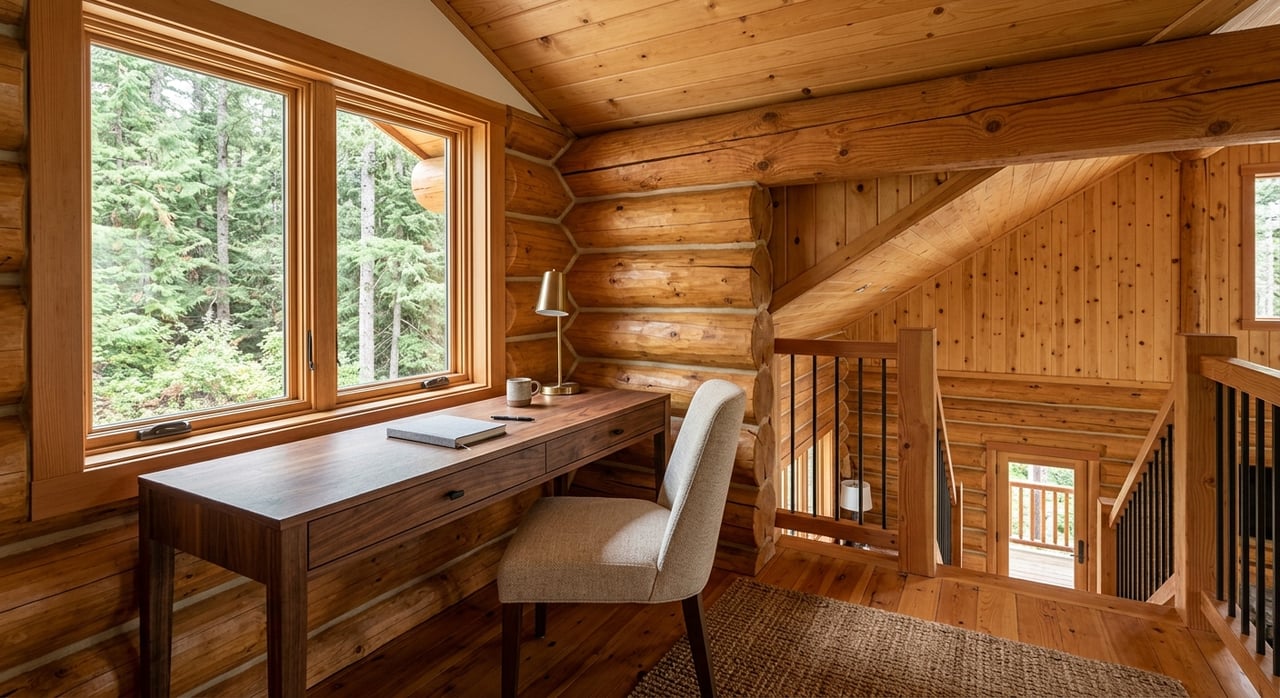

Craving mountain views without the commute? If you are moving to Gatlinburg to work remotely, the right prep will make your workdays smooth and your weekends stress-free. Mountain living is beautiful, but the terrain, tourism seasons, and weather add a few extra steps to your move plan. In this guide, you will learn exactly how to set up reliable internet, prepare for winter roads, manage daily needs, and get your home systems ready so you can log in and relax. Let’s dive in.
Reliable internet in Gatlinburg
A strong connection is the backbone of commute-free living. Availability varies by street and even by elevation, so start with an address-level check, not just a zip-code search.
What to verify at an address
- Confirm whether cable or fiber reaches the building. Ask the seller for recent speed tests if possible.
- Evaluate line-of-sight if you plan to use Starlink or a fixed wireless provider. Dense trees and steep slopes can block service.
- Test cell reception inside the home. You may need a booster for stable calls and hotspots.
- Look at upload speeds and latency for video calls. Traditional satellite can have higher latency that affects live meetings.
Backup options for uptime
- Primary: cable or fiber when available for the most reliable, low-latency service.
- Secondary: a 4G/5G hotspot with a cellular router if your signal is strong.
- Alternatives: fixed wireless or Starlink if you have clear sky views.
- Power: use a UPS for your modem and router and consider a generator or battery backup for outages.
Quick action steps
- Do an address-level ISP check and schedule installation early.
- Walk the property to confirm a clear view for any dish or antenna.
- Purchase a UPS for network gear and plan for a longer-term power backup if you depend on uninterrupted work.
Roads, winter driving, and transportation
Mountain access roads are scenic and steep, with narrow lanes and switchbacks. Seasonal tourism increases traffic, and winter storms can bring ice and heavy snow.
What to expect in the mountains
- Steep private driveways can be challenging during storms.
- Public transit is limited compared with cities. Most residents rely on personal vehicles.
- Main routes are cleared first during winter weather; private roads and driveways may not be serviced by the city or county.
Winter and emergency prep
- Choose a vehicle suited to mountain terrain. AWD/4WD and winter tires are a smart choice for many properties.
- Keep traction aids handy, like chains where appropriate.
- Confirm snow removal responsibilities for your driveway and any shared or private roads. Get agreements in writing.
- Follow local road condition updates during storms and have a plan to reach services in Sevier County or Knoxville when needed.
Quick action steps
- Verify who plows your driveway and private road before you buy or move.
- Line up a mountain-capable towing contact for emergencies.
- Store a winter kit in your vehicle: chains, shovel, blankets, and warm gear.
Groceries, healthcare, and daily needs
Gatlinburg has small grocery and convenience options, while larger supermarkets and big-box retailers are commonly found in nearby Sevierville and Pigeon Forge. Plan your stock-ups and delivery options ahead of time.
Shopping and pharmacies
- Map your weekly grocery plan and consider bulk runs.
- Confirm pharmacy hours and transfer options for maintenance medications.
- Set up a mail-order backup for prescriptions in case weather delays travel.
Medical access
- Urgent care and clinics serve Gatlinburg and nearby towns.
- Full-service hospitals are in Sevierville and Knoxville. If anyone in your household has time-sensitive or specialized medical needs, check typical travel times from the property.
Daily service logistics
- Trash and recycling can be limited by narrow or steep roads. Some homes use private service.
- Ask about mail delivery. Some areas use cluster boxes instead of direct home delivery.
- If schools matter for your household, confirm zoning and transportation routes.
Quick action steps
- Set pharmacy auto-refill and mail-order as a weather backup.
- Confirm trash pickup logistics and arrange private service if needed.
- Identify the nearest urgent care and emergency department for your address.
Property systems and local services
Many mountain homes use a mix of municipal and private systems. Verify what you have before move-in and assemble a reliable local vendor list.
Water, septic, and fuel
- Water: properties may be on municipal water or a private well. For wells, check flow and water quality.
- Sewage: septic systems are common outside city sewer districts. Confirm permits and recent inspections.
- Fuel: propane or oil may power heating systems. Set delivery schedules and service agreements early.
Safety, trees, and roofs
- Fireplaces and wood stoves are common. Schedule annual chimney inspections and cleanings.
- Steep roofs, heavy rain, and occasional snow mean you should check roofing and drainage to prevent erosion or leaks.
- Trees can affect utilities and line-of-sight for fixed wireless or Starlink. Consider trimming to reduce risk.
Local vendor list to assemble
- Broadband installers and local WISPs
- Electricians familiar with generators and mountain wiring
- HVAC contractors for heat pumps and propane systems
- Well drillers and certified water testers
- Septic inspectors and pumpers
- Propane suppliers with scheduled delivery
- Chimney sweeps and fireplace service
- Tree service and emergency removal
- Snow removal for driveways and private roads
- Mountain-capable towing services
- Contractors experienced with foundations and retaining walls
- Pest and wildlife control with bear-aware guidance
- City and county contacts for utilities, permits, and solid waste
How to find trusted pros
- Check local Chamber of Commerce listings and city or county business directories.
- Ask neighbors and your agent for references and recent work orders.
- Request proof of insurance and multiple references for any contractor.
Permits, rules, and utilities
Do your homework on property specifics and local requirements before you close.
- Septic permits and replacement requirements are handled locally. Confirm records for any property with a septic system.
- Building permits and setbacks matter, especially on steep lots.
- Short-term rental rules exist in Gatlinburg and Sevier County. If you plan to rent, verify current regulations and licensing.
- Identify your electric utility or cooperative. Confirm service entrance capacity if you plan to add a whole-home generator.
Emergency preparedness
Remote work means you need consistent power and a plan if a storm hits.
Backup power and supplies
- Install a whole-home generator or a sufficient battery system if uninterrupted power is critical. At minimum, use a UPS for your modem, router, and workstation.
- Keep a 72-hour emergency kit with water, nonperishable food, medications, flashlights, warm clothing, and a battery or hand-crank radio.
Alerts and wildfire awareness
- Sign up for local emergency notifications and weather alerts.
- Maintain defensible space around your home by clearing brush and low limbs.
- Store important documents off-site or in secure cloud storage.
Move timeline checklist
90–60 days before move
- Confirm address-level internet options and schedule installation.
- Test cellular coverage at the property or ask for a brief visit.
- Set up electric, water, sewer, and garbage accounts or arrange transfers.
- Verify whether the property uses well and septic. Order a water test and septic inspection if you are buying.
- If using propane or wood heat, contact local suppliers about initial delivery and service plans.
30 days before move
- Schedule chimney, HVAC, and roof inspections. Complete needed maintenance.
- Hire a tree service to clear line-of-sight for internet or reduce storm risk.
- Arrange trash and recycling service and confirm access for trucks.
- If applicable, book snow removal service and confirm driveway and private road responsibilities in writing.
14 days before move
- Set up UPS units for your modem, router, and critical devices. Plan generator installation or rental if needed.
- Transfer prescriptions and set auto-refill or mail-order backup.
- Prepare emergency kits and stock vehicle winter supplies.
Move-in week
- Run speed tests and confirm internet performance. Call your provider if speeds are below plan.
- Test cellular signal in multiple rooms and install a booster if needed.
- Meet core service providers and exchange contact info.
- Register for local emergency alerts and identify the nearest fire and police stations.
Local living tips for remote workers
- Stock up before peak tourist weekends to avoid crowds.
- Build neighbor relationships. In mountain communities, a quick call can solve access or weather challenges.
- Keep a simple maintenance calendar for chimney, HVAC, septic, and tree care to prevent disruptions during work hours.
Ready to relocate with confidence? If you want address-specific guidance on internet options, winter access, or home systems, reach out to a local expert who knows mountain living. Connect with Deanna Dellinger to get tailored advice and a plan that fits your timeline.
FAQs
Can I get reliable broadband in Gatlinburg for remote work?
- It depends on your exact address. Some areas have cable or fiber, while many mountain homes rely on fixed wireless or satellite. Always run an address-level check and ask the seller for recent speed tests.
Will Starlink work on a wooded lot in Gatlinburg?
- Starlink needs a clear view of the sky. Dense trees and steep slopes can block signals. A professional line-of-sight check is recommended before you rely on it.
Do I need a 4WD vehicle for Gatlinburg mountain homes?
- For many properties with steep driveways and winter conditions, AWD or 4WD with proper tires improves safety and mobility, especially during ice or snow events.
Who handles driveway plowing in Sevier County?
- Public crews prioritize main roads. Private driveways and many private roads are the homeowner’s responsibility or serviced by a private contractor. Confirm arrangements in writing before closing.
What utilities are typical for Gatlinburg homes?
- Inside city limits you may see municipal water and sewer. Outside, many homes use wells and septic systems. Electric service varies by utility or cooperative. Confirm specifics for each property.
How close are hospitals and urgent care to Gatlinburg homes?
- Urgent care and clinics are available in Gatlinburg and nearby towns. Full-service hospitals are in Sevierville and Knoxville. Check travel times from your exact address if you have time-sensitive needs.